
Building Strong Foundations for the Future of Construction

Construction is one of the most vital industries in the world, shaping the spaces where people live, work, and grow. From residential homes to commercial buildings and massive infrastructure projects, construction serves as the backbone of modern society. Beyond simply assembling structures, it combines creativity, engineering, and innovation to deliver safe, functional, and visually appealing results.
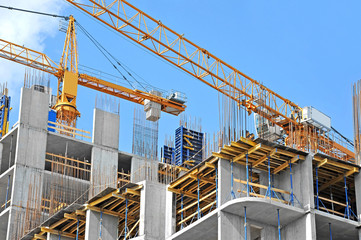
construction

As the demand for better housing, advanced commercial spaces, and sustainable solutions increases, the construction industry continues to evolve. Understanding the importance of construction, the processes involved, and what makes projects successful is essential for anyone considering a project or working in the field.

The Importance of Construction in Everyday Life

Construction is not just about bricks, steel, and concrete—it is about building communities and improving lives. Every road, bridge, school, hospital, and office space begins as a construction project. Without this industry, cities would not grow, and societies would struggle to function effectively.

Well-executed construction ensures safety, durability, and long-term value. Whether it’s creating a cozy home for a family or developing large-scale projects that connect people and businesses, construction plays a central role in driving progress.

Types of Construction Projects

Construction covers a wide range of projects, each with its own purpose and requirements. The most common categories include:

  1. Residential Construction
  2. This includes houses, apartments, condominiums, and townhouses. Residential construction focuses on comfort, safety, and aesthetics while meeting the needs of individuals and families.
  3. Commercial Construction
  4. Projects such as offices, shopping centers, restaurants, and hotels fall under commercial construction. These spaces must be designed for heavy foot traffic, efficiency, and compliance with regulations.
  5. Industrial Construction
  6. Factories, warehouses, and plants are examples of industrial projects. These require specialized knowledge of safety protocols and technical systems.
  7. Infrastructure Construction
  8. Roads, bridges, tunnels, and airports are essential for transportation and public services. Infrastructure projects are often large-scale and vital for economic growth.

Key Phases of a Construction Project

A successful construction project goes through several important phases, each requiring careful planning and execution.

  1. Planning and Design
  2. Every project begins with planning. This stage includes feasibility studies, design concepts, budgeting, and scheduling. Proper planning ensures that the project meets the client’s needs while staying on time and within budget.
  3. Pre-Construction
  4. At this stage, permits are obtained, contracts are signed, and logistics are finalized. Pre-construction prepares the project for a smooth execution.
  5. Procurement
  6. Materials, tools, and labor are secured. Quality procurement ensures that everything needed for the project is available without unnecessary delays.
  7. Construction
  8. This is the execution phase where designs come to life. Skilled workers, engineers, and supervisors collaborate to ensure the project is built according to the plan.
  9. Post-Construction
  10. After completion, inspections, testing, and quality assurance take place. This ensures the project is safe, functional, and ready for use.

Modern Trends in Construction

The construction industry is constantly evolving to meet the demands of modern society. Some of the most notable trends include:

  • Sustainable Building: Eco-friendly construction materials and energy-efficient designs are becoming a priority.
  • Smart Technology: From automated systems to advanced construction equipment, technology is streamlining the building process.
  • Modular Construction: Prefabricated sections allow for faster and more efficient assembly.
  • Safety Innovations: Improved safety equipment and practices help protect workers on site.

These trends not only improve efficiency but also reduce environmental impact and enhance the quality of projects.

The Importance of Skilled Labor in Construction

Behind every completed project is a team of skilled workers, engineers, architects, and project managers. Their expertise ensures that each phase of the project is handled correctly. Skilled labor brings precision, problem-solving, and creativity to the table, making construction both an art and a science.

From laying foundations to installing modern systems, every detail matters. A well-trained team ensures safety, durability, and excellence in every project.

Benefits of Professional Construction Services

Hiring professional construction services for your project comes with many advantages:

  • Expertise and Experience: Professionals bring knowledge and skills that reduce errors and improve efficiency.
  • Time Management: Projects are completed on schedule, minimizing disruptions.
  • Quality Assurance: Professional construction ensures long-lasting results.
  • Cost Efficiency: Proper planning and management help prevent costly mistakes.
  • Safety Compliance: Trained professionals follow industry standards and regulations to ensure safety.

Challenges in the Construction Industry

While construction is rewarding, it also comes with challenges. Common issues include budget overruns, project delays, labor shortages, and unexpected site conditions. However, with proper planning, communication, and professional guidance, these challenges can be managed effectively.

Why Construction Matters for the Future

As populations grow and technology advances, construction will continue to play a key role in shaping the future. Sustainable designs, smart buildings, and innovative materials are paving the way for more efficient and environmentally friendly projects. Construction not only meets today’s needs but also builds the foundation for future generations.

Construction is more than just building structures—it’s about creating environments where people live, work, and thrive. From small residential projects to massive infrastructure developments, every construction effort contributes to progress. With proper planning, skilled professionals, and modern innovations, the industry continues to push boundaries and redefine what is possible.

Whether you’re planning a new home, a commercial property, or a large-scale development, investing in quality construction ensures safety, durability, and long-term value. The future of construction is bright, and its role in shaping the world around us remains as essential as ever.

Posted in Uncategorized | Comments Off on Building Strong Foundations for the Future of Construction

Safety Measures in the Cabinet Refinishing Process

Cabinet Refinishing Sacramento

During cabinet refinishing, it is important to wear the right gear and work in a well-ventilated area. This helps reduce the risk of inhaling harmful fumes from paint and stain.

In addition, prioritizing safety measures ensures a flawless finish and a safe working environment. Read on to learn more about Safety Measures in the Cabinet Refinishing Sacramento Process.

Wear the Right Gear

Cabinet refinishing uses various chemical processes to transform your cabinets, but it’s important to prioritize safety. By working with conscientious professionals, choosing low-VOC products, and providing adequate ventilation, you can enjoy the beautiful results of your new cabinets without compromising the health and safety of your family.

Proper surface preparation is essential for a durable, professional-looking finish. This includes degreasing and cleaning the cabinet surfaces, removing hardware, labeling them for easy reassembly, and covering any areas you don’t want to be affected by paint or stain. In addition, a proper workspace setup is vital to avoid exposure to airborne fumes and dust particles. Ensure that your work area is well-ventilated by opening windows and using fans to circulate the air. Avoid inhaling fumes by wearing a face mask and goggles, and cover nearby surfaces with drop cloths to minimize dust contamination.

Unlike cabinet refacing, which involves installing new cabinet doors and veneers, refinishing is a more contained process. This reduces the amount of dust and mess in your home, which can cause problems with ventilation and lead to a messy, difficult cleanup. Additionally, refinishing offers greater customization options based on your specific style preferences.

Both refinishing and refacing offer the opportunity to transform your kitchen, but refinishing is a more budget-friendly and environmentally conscious option. This process utilizes existing materials and minimizes waste, whereas refacing requires the purchase of new cabinets and new materials that can create environmental concerns in their own right.

It’s important to weigh both refinishing and refacing to decide which option best suits your needs. A refinishing project is perfect for older, worn cabinets that need to be updated, but are structurally sound. However, refacing is often more suitable for cabinets that need to be replaced because of damage or wear. For more information on this process, visit our blog post comparing cabinet refacing and refinishing. A reputable professional can help you identify your unique cabinet needs and recommend the best solution to suit them. They can also provide valuable advice on hardware upgrades and other design options to enhance your finished look.

Proper Ventilation

Cabinet refinishing is a transformative process, one that allows homeowners to craft a kitchen story that reflects their personal style. However, refinishing is an intricate process that requires proper preparation and careful execution in order to yield satisfactory results. If performed incorrectly, it can result in damage that requires costly repairs or even replacements. To avoid this, it is essential to follow the right steps and work with a professional.

The refinishing process involves stripping the existing finish, repairing any damage, sanding the surfaces, and applying new paint or stain. This is a much more in-depth process than simply painting the cabinets and can only be done by a professional with the right skills and experience. Incorrectly performed, the new finish can damage the wood or cause an uneven appearance that is unsightly.

A good quality refinish can last a long time with regular maintenance and careful use. However, it’s important to keep in mind that the longevity of a finish is highly dependent on the environment it is exposed to and the quality of the materials used. For this reason, it is a good idea to apply a high-quality sealant to protect the surface from moisture and stains.

Refinishing the cabinets will not only provide a fresh, updated aesthetic, but it can also help to improve the functionality of the space. This is especially true for homeowners who plan to sell their home in the near future, as it can significantly increase the value of the property.

Minimal Disruption

Unlike cabinet replacement, refinishing can be completed with minimal disruption to your daily life because the cabinets remain in place throughout the project. This is a convenient option for busy homeowners and can save you the cost of hiring movers.

The best way to ensure a smooth cabinet refinishing project is by preparing the cabinets properly before starting. This includes thoroughly cleaning them, sanding the surfaces to remove any old finish and create a smooth base, and then vacuuming and tack-raging to ensure the surfaces are clean and dust-free. It’s also important to apply the primer correctly, as a poorly-applied coat can lead to an unsatisfactory finished product that looks uneven or bubbly.

Avoid Exposure to Chemicals

Many traditional cabinet finishes require several days to cure, during which they will continue to emit volatile organic compounds (VOCs). These fumes can lead to headaches, nosebleeds, and respiratory distress. They can also negatively impact indoor air quality, increasing the risk of asthma and other respiratory ailments in sensitive people. It’s best to avoid exposure during this time, especially if you have young children or elderly family members living in your home.

When it comes to choosing a finish, it’s important to use only the highest-quality products that provide long-lasting durability and beauty. This ensures that your refinishing project turns out perfectly and lasts for years to come.

Using the right tools and techniques will also significantly influence your end result. A poorly-tuned spray gun or low-quality brushes can cause visible brush strokes and a rough texture. By contrast, a high-quality ANEST IWATA spray gun and SurfPrep Sanding equipment will yield a smooth, professional-grade finish.

A high-quality primer can also make or break your finished product. A good primer creates a smooth base, improves adhesion, and blocks stains from wood tannins or old paints. It’s best to apply thin coats and allow each one to dry fully before applying another. The right type of paint will also play a major role in how well your cabinets hold up over time. Choose an acrylic-latex option for a water-based finish that’s easy to clean and resistant to yellowing, or opt for oil-based paint for durability and a glossy, self-leveling sheen.

If your cabinets are chipped, gouged, or otherwise damaged, patch them with high-quality wood filler and sand it flush before finishing. Be sure to properly seal and caulk all seams to prevent moisture buildup, which can lead to cracking or peeling over time.

When it comes to transforming the look of your kitchen, cabinet refinishing is an affordable and effective option. By refinishing rather than replacing your cabinets, you’ll minimize the amount of waste created and conserve valuable resources. Additionally, N-Hance uses minimal or no sanding and only low VOC finishes that reduce the overall environmental impact of your renovation.

Clean Your Workspace

Cabinet refinishing is a unique blend of science and craftsmanship that can dramatically transform a room. However, before homeowners and professionals can enjoy the remarkable results of their work, it’s important to ensure proper safety measures are followed. By choosing conscientious professionals, ensuring adequate ventilation, and properly cleaning the workspace, homeowners can rest assured their newly refinished cabinets are safe to use.

Before beginning any refinishing project, it’s important to thoroughly clean the cabinet doors and hardware. This will help to remove any dirt, grime, and grease that may have accumulated on the surface over time. This will also prepare the cabinets for painting or staining, ensuring an even and professional-quality result.

After sanding the cabinets, it’s a good idea to apply a coat of primer. This will provide a smooth, even base for the next layer of paint or stain, improving adhesion and preventing future chipping and peeling.

It’s important to allow the primer to fully dry before proceeding with any other steps. Rushing this step can lead to tacky, uneven surfaces and a subpar finish. Once the primer is completely dry, it’s a good idea to lightly sand again with a piece of fine 220-grit sandpaper. This will ensure that the final coating bonds seamlessly with the previous layers and helps to achieve a beautiful, lasting finish.

The final step is to add your chosen finish. Whether it’s a stain to enhance the natural wood grain or a fresh coat of paint, this is a great way to give your cabinetry a new look that will last. For maximum durability, it’s a good idea to add a protective topcoat as well. This will safeguard your cabinets from scratches, moisture, and daily wear and tear, extending their life.

Proper cabinet refinishing requires careful preparation, but the rewards are well worth it. The right equipment and techniques can ensure a flawless job that will last for years to come. With the right precautions, anyone can safely refinish their cabinetry to transform their kitchen or living space. Just remember to always be mindful of the chemicals involved and follow proper safety practices to protect yourself, your family, and your home.

Posted in Cabinet Refinishing | Tagged , , , , | Comments Off on Safety Measures in the Cabinet Refinishing Process