
You hear a faint scratching sound behind the wall late at night. A trail of ants appears along the kitchen counter. A wasp circles near the window, or a cockroach darts across the floor when the lights come on. These small moments can quickly turn into major concerns.
Pests are more than a nuisance. They threaten the cleanliness of your home, the safety of your family, and even the structural integrity of your property. Effective pest control at Ben’s Pest Control is essential for maintaining a healthy, comfortable living environment.
Understanding the Importance of Pest Control
Pest control involves the management and elimination of unwanted insects, rodents, and other creatures that invade homes and businesses. While some pests are simply irritating, others pose serious health and safety risks. Rodents can chew through wiring, increasing the risk of electrical fires. Termites can weaken wooden structures, leading to costly damage. Insects such as mosquitoes and cockroaches can spread bacteria and disease.
Ignoring pest problems rarely makes them disappear. In fact, many infestations grow rapidly when left untreated. Pests reproduce quickly and often hide in areas that are difficult to access. What begins as a minor issue can escalate into a widespread infestation within weeks.
Professional pest control focuses not only on eliminating existing pests but also on preventing future problems. By identifying entry points, nesting areas, and environmental factors that attract pests, technicians create long term solutions rather than temporary fixes.
Maintaining a pest free environment supports overall health and peace of mind. Knowing that your home is protected allows you to focus on daily life without constant worry about hidden intruders.
Common Household Pests and Their Risks
Different pests present different challenges. Understanding the most common household invaders helps homeowners recognize the need for prompt action.
Ants are among the most frequent pests found in kitchens and bathrooms. While many species are harmless, they contaminate food and surfaces as they search for nourishment. Some varieties can also cause structural damage.
Cockroaches thrive in warm, moist environments. They are known carriers of bacteria and allergens. Their presence often indicates hidden moisture or sanitation issues that require attention.
Rodents such as mice and rats pose significant risks. In addition to spreading disease through droppings and urine, they chew through insulation, wiring, and stored items. Their ability to reproduce quickly makes early intervention essential.
Termites are silent destroyers. They feed on wood and other cellulose materials, often causing damage that goes unnoticed until it becomes severe. Regular inspections help detect termite activity before structural integrity is compromised.
Wasps and bees can create nests near entryways or in attics. While some species are beneficial to the environment, nests located close to living areas present safety concerns, especially for individuals with allergies.
Each type of pest requires a targeted approach. Effective pest control addresses the specific habits and vulnerabilities of each species.
The Pest Control Process
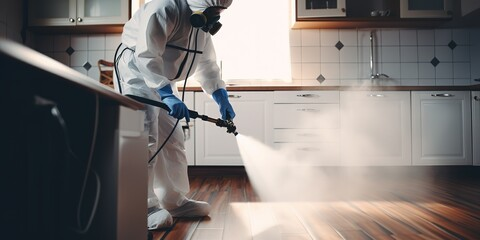
Professional pest control begins with a thorough inspection. Technicians assess both the interior and exterior of the property to identify signs of infestation. This includes examining entry points, cracks in walls, moisture sources, and nesting areas.
Once the source of the problem is identified, a customized treatment plan is developed. Treatment methods vary depending on the type and severity of the infestation. Solutions may include targeted applications, baiting systems, or exclusion techniques to block entry points.
Safety is a priority during treatment. Modern pest control methods are designed to minimize risk to residents and pets while effectively eliminating pests. Technicians follow established guidelines to ensure proper application and containment.
After treatment, follow up visits may be scheduled to monitor progress and confirm that the infestation has been resolved. Preventative measures are often recommended to reduce the likelihood of recurrence.
Clear communication between homeowners and pest control professionals ensures that expectations are understood and that necessary precautions are taken during the process.
Preventative Pest Control Strategies
While eliminating active infestations is important, prevention is equally critical. Many pest problems can be avoided through proactive measures.
Sealing cracks and gaps around windows, doors, and foundations prevents pests from entering the home. Installing door sweeps and repairing damaged screens further reduces access points.
Maintaining cleanliness inside the home limits food sources. Promptly cleaning spills, storing food in sealed containers, and regularly disposing of trash discourage insects and rodents.
Outdoor maintenance also plays a role in pest prevention. Trimming vegetation away from the structure reduces hiding spots. Removing standing water eliminates breeding grounds for mosquitoes. Keeping gutters clean prevents moisture buildup that attracts insects.
Regular professional inspections provide an added layer of protection. Even if no visible signs of pests are present, routine monitoring helps detect potential issues early.
Preventative pest control is an ongoing commitment. By combining good habits with professional support, homeowners create an environment that is less inviting to unwanted guests.
Health and Safety Benefits of Pest Control
Pest control contributes significantly to overall health and safety. Many pests carry bacteria and pathogens that can contaminate surfaces and food. Cockroaches and rodents are known to spread diseases that affect respiratory and digestive systems.
Allergens produced by pests can trigger asthma and allergic reactions. Children and individuals with compromised immune systems are particularly vulnerable. Eliminating infestations reduces exposure to these harmful substances.
Structural damage caused by pests also presents safety concerns. Termite weakened wood can compromise floors and support beams. Rodents chewing on electrical wiring increase the risk of fire.
Timely pest control protects both property and occupants. Addressing issues promptly prevents minor infestations from escalating into hazardous conditions.
Beyond physical health, pest free living spaces contribute to mental well being. Constant worry about infestations can cause stress and discomfort. A clean and secure environment fosters peace of mind.
Choosing Professional Pest Control Services
Selecting a qualified pest control provider is essential for effective results. Experience and knowledge of local pest behaviors contribute to accurate identification and treatment.
Professional technicians use specialized tools and products designed for specific pests. Attempting to address infestations without proper training can lead to incomplete treatment and recurring problems.
Transparency and clear communication are important when choosing a service provider. Understanding the treatment plan, safety precautions, and follow up process ensures confidence in the solution.
Consistency is key in pest management. Establishing a regular service schedule helps maintain protection throughout the year.
Investing in professional pest control services not only eliminates current problems but also safeguards the future condition of your home.
Conclusion: Protecting Your Home with Effective Pest Control
Pest control is an essential part of maintaining a safe and healthy home. From ants and cockroaches to rodents and termites, unwanted intruders can disrupt daily life and cause significant damage. Addressing infestations promptly and implementing preventative strategies ensures long term protection.
By combining professional expertise with proactive maintenance, homeowners can create environments that are resistant to pests. A pest free home offers more than cleanliness. It provides security, comfort, and peace of mind for everyone inside.